Wstęp
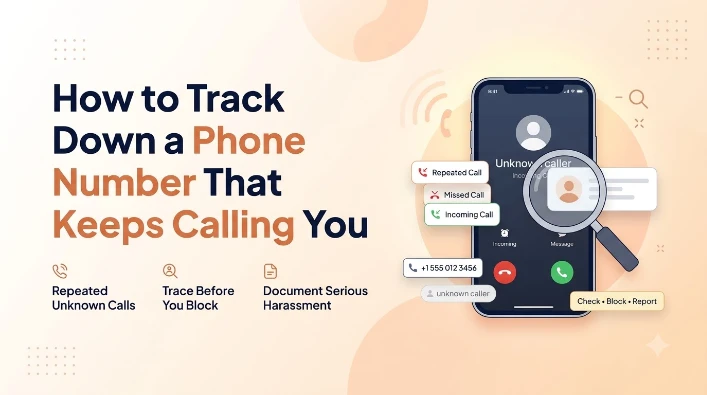
Ten sam nieznany numer dzwonił w tym tygodniu trzy razy, nie było żadnej wiadomości głosowej ani SMS-a wyjaśniającego, kto to jest. Zwykle jest to moment, w którym ktoś zaczyna próbować go wyśledzić, a instynkt, aby po prostu oddzwonić i zapytać, jest często złym pierwszym ruchem, ponieważ potwierdza, że Twój numer jest aktywny dla osoby po drugiej stronie, niezależnie od tego, czy jest to oszust czy nie. Kilka minut śledzenia wcześniej daje odpowiedź na większość pytań i nigdy nie została podjęta.
W tym przewodniku omówiono bezpieczniejsze sposoby śledzenia nieznanego numeru, zaczynając od tego, co ujawniają same cyfry, przechodząc przez bezpłatne narzędzia wyszukiwania i bazy danych reputacji, a także omawiając, co zrobić, gdy okaże się, że numer jest sfałszowany lub połączenia przeradzają się w rzeczywiste nękanie.
Co właściwie obejmuje „śledzenie numeru”.
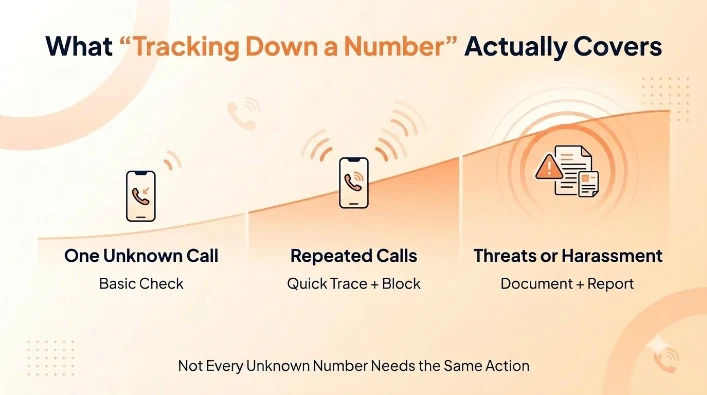
Nie każde nieznane wywołanie gwarantuje taką samą reakcję, dlatego warto rozróżnić sytuację przed wybraniem metody. Pojedynczy nieznany telefon to zwykle zwykła ciekawość. Warto szybko prześledzić numer dzwoniący bez żadnej wiadomości przed podjęciem decyzji o jego zablokowaniu. Numery grożące lub obsesyjnie dzwoniące to zupełnie inna kategoria, w przypadku której identyfikacja dzwoniącego ma mniejsze znaczenie niż dokumentowanie i raportowanie tego, co się dzieje.
Zacznij od samego numeru
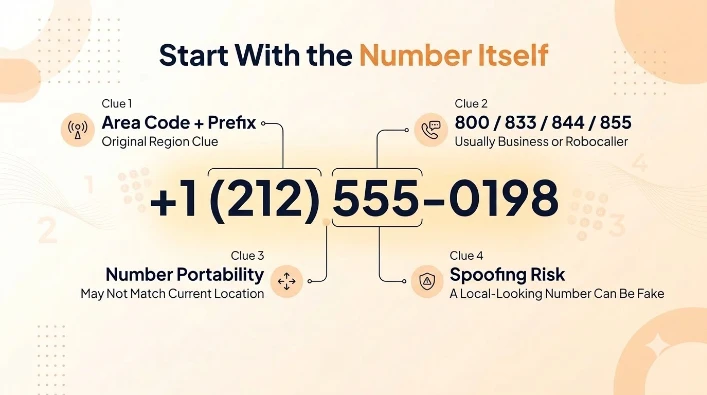
Zanim sięgniesz po jakiekolwiek narzędzie, same cyfry niosą ze sobą informację. Numer kierunkowy i prefiks, łącznie pierwsze sześć cyfr, zazwyczaj wskazują region i przewoźnika, któremu pierwotnie wydano numer, mimo że przenoszenie numeru oznacza, że ktoś może nosić ten numer po całym kraju po przeprowadzce. Numer sformatowany jak linia bezpłatna (800, 833, 844, 855, 866, 877, 888) całkowicie wyklucza osobę dzwoniącą osobiście i zamiast tego wskazuje firmę, linię ankietową lub osobę dzwoniącą automatycznie.
Jedno zastrzeżenie, o którym warto wiedzieć od razu: identyfikator dzwoniącego przedstawiający znajomo wyglądający numer lokalny nie gwarantuje, że rzeczywiście to ktoś dzwoni. Spoofing pozwala dzwoniącemu wyświetlić dowolny wybrany przez niego numer, w tym numer, który wygląda, jakby należał do sąsiada lub nawet do Twoich kontaktów, szczególnie po to, aby nieznane lub oszukańcze połączenie wyglądało na wystarczająco wiarygodne, aby je odebrać.
Podszywanie się pod sąsiadów i oszustwo jednego pierścienia
Większość nieznanych, ale dziwnie lokalnych połączeń telefonicznych, które ludzie namierzają, wyjaśniają dwa specyficzne wzorce oszustw. Pierwszy przypadek, przed którym FCC wydała formalne ostrzeżenia, nazywa się podszywaniem się pod sąsiada lub w branży podszywanie się pod NPA-NXX: oszust celowo wybiera numer, który ma taki sam dokładny numer kierunkowy (NPA) i prefiks (NXX), dzięki czemu połączenie wygląda, jakby pochodziło od osoby znajdującej się kilka przecznic dalej, nawet jeśli w rzeczywistości połączenie pochodzi z zupełnie innego kraju. To sztuczka zaufania, nic więcej, zaprojektowana specjalnie w celu zwiększenia szans, że odpowiesz.
Drugi to oszustwo polegające na jednym pierścieniu lub Wangiri, którego nazwa pochodzi od japońskiego słowa „jeden pierścionek i cięcie”. Połączenie zostaje rozłączone po pojedynczym sygnale, pozostawiając nieodebrane połączenie z nieznanego, często międzynarodowego numeru, którego celem jest zwabienie na oddzwonienie. Oddzwonienie na to połączenie łączy się z linią o podwyższonej opłacie, która pobiera opłaty za minutę połączenia, czasami podzielone pomiędzy oszusta i dowolnego operatora obsługującego numer premium. Najskuteczniejsza obrona przed obydwoma wzorcami jest taka sama: nigdy nie oddzwaniaj pod numer, którego nie rozpoznajesz, zamiast tego prześledź go za pomocą wyszukiwarki lub bazy danych reputacji.
Bezpłatne i szybkie sposoby śledzenia numeru
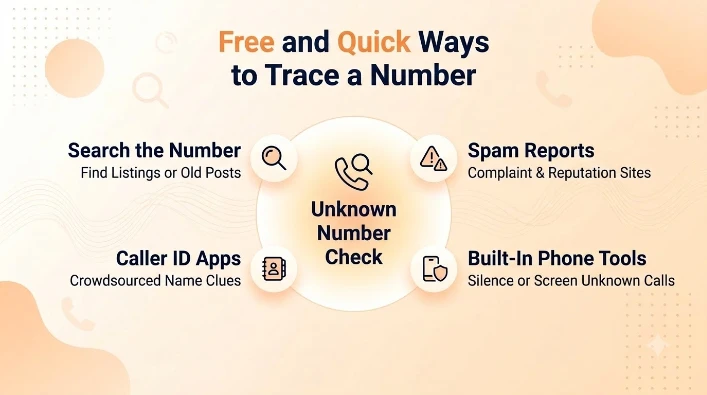
Kilka bezpłatnych metod pozwala usunąć większość nieznanych numerów bez konieczności instalowania czegokolwiek. Wyszukiwanie w wyszukiwarce dokładnej liczby w cudzysłowie często powoduje wyświetlenie forów skarg, wykazów firm lub starych ogłoszeń, w których ten sam ciąg cyfr pojawił się już wcześniej. Dedykowane witryny służące do raportowania reputacji i połączeń automatycznych pozwalają użytkownikom oznaczać numery jako telemarketing, oszustwo lub spam, więc numer z dziesiątkami pasujących raportów o skargach jest silnym sygnałem nawet bez dołączonej nazwy. Aplikacje do identyfikacji rozmówcy dodają do tego warstwę crowdsourcingu, pokazującą, w jaki sposób numer jest często zapisywany na listach kontaktów innych użytkowników.
Wbudowane funkcje telefonu obsługują teraz niektóre z tych zadań automatycznie. Funkcja Wycisz nieznanych rozmówców w iPhonie przekierowuje wszystko, co nie znajduje się jeszcze w Twoich kontaktach, bezpośrednio do poczty głosowej zamiast dzwonić, a ekran połączeń Google w telefonach Pixel najpierw odpowiada przez asystenta i wyświetla transkrypcję na żywo wypowiedzi dzwoniącego, zanim zdecydujesz, czy odebrać. Żadne z nich nie identyfikuje, kto dzwoni, tak jak robi to dedykowane śledzenie, ale oba zmniejszają liczbę nieznanych połączeń, które wymagają śledzenia.
Porównanie liczby z mediami społecznościowymi
Jeśli ślad wykryje nazwę, a nie tylko etykietę spamu, sprawdzenie, czy numer ten jest powiązany z aktywnym kontem w mediach społecznościowych to rozsądny kolejny krok pozwalający potwierdzić, że tożsamość jest prawdziwa, a nie oszustwo posługujące się skradzionym lub sfabrykowanym imieniem i nazwiskiem. Konto aktywne od lat i ze spójną historią to zupełnie inny sygnał niż brak jakichkolwiek wyników.
Gdy szlak prowadzi do zarejestrowanej linii
Liczby, które prowadzą do prawdziwej, niesfałszowanej linii, czasami są rozpatrywane tymi samymi kanałami, do których są używane bardziej ogólne wyszukiwanie numeru telefonu, katalogi, witryny wyszukiwania osób i publiczne wykazy firm. Rozróżnienie, które ma tutaj znaczenie, polega na tym, czy numer miał kiedykolwiek zostać znaleziony: linia biznesowa publikująca własny numer chce być śledzona, podczas gdy osobista komórka pojawiająca się nieoczekiwanie w tym samym wyszukiwaniu jest oznaką, że numeru po prostu nie usunięto ze starego publicznego rejestru.
Warto sprawdzić także rodzaj linii, ponieważ zmienia to, co ślad może realistycznie potwierdzić. Numer telefonu stacjonarnego lub telefonu komórkowego z abonamentem powiązany z kontem u operatora, z którym od dawna współpracujesz, zwykle niezawodnie łączy się z nazwą, ponieważ powiązanie rozliczeniowe istnieje od lat. Za opłaconym numerem telefonu komórkowego lub linią VoIP kupioną specjalnie na potrzeby oszustwa często nie kryje się żadna porównywalna historia, dlatego śledzenie tych numerów często kończy się w ślepym zaułku w punkcie „Dostawca VoIP, brak dodatkowych informacji”, a nie po nazwie.
Zgłaszanie spamu i automatycznych połączeń telefonicznych
Zidentyfikowanie liczby nie zawsze jest celem, czasami zatrzymanie jej ma większe znaczenie niż wiedza, kto za nią stoi. Przesłanie wiadomości będącej spamem na numer 7726 (SPAM) powoduje zgłoszenie jej bezpośrednio do większości operatorów, a Przewodnik FCC dotyczący zatrzymywania niechcianych automatycznych połączeń telefonicznych i SMS-ów omawia, jak złożyć formalną skargę, czego faktycznie zabraniają przepisy agencji dotyczące automatycznych połączeń i fałszowania oraz jakie funkcje blokowania połączeń są domyślnie wbudowane w iPhone'a i Androida.
Kiedy to coś więcej niż uciążliwość: raporty policyjne i śledzenie przewoźnika
Powtarzające się telefony z pogróżkami lub nękaniami wymagają innego procesu niż śledzenie spamu. Złożenie raportu policyjnego wymaga najpierw numeru zdarzenia, którego wymaga większość przewoźników, zanim umożliwią namierzenie przesyłki za pośrednictwem tak zwanego Biura ds. rozmów telefonicznych. Wielu operatorów obsługuje również kod śledzenia połączeń, zwykle *57, wybierany natychmiast po zakończeniu nękającego połączenia, który rejestruje numer, nawet jeśli został zablokowany lub ukryty przed identyfikacją dzwoniącego, i przekazuje rejestr do organów ścigania, a nie z powrotem do osoby, która go wybrała.
Przydatnym wyjaśnieniem jest to, kto faktycznie ma uprawnienia do śledzenia na tym etapie: nie jest to sam wydział policji, ponieważ wydział ten nie ma bezpośredniego dostępu do rejestrów połączeń przewoźnika. Przewoźnik dokonuje śledzenia i przekazuje wyniki organom ścigania, dlatego właśnie numer zdarzenia ma tak duże znaczenie. To właśnie dane uwierzytelniające sprawiają, że przewoźnik w ogóle podejmuje działania, a nie traktuje żądanie jako zwykłe zapytanie klienta. Prowadzenie prostego rejestru, daty, godziny, długości połączenia i wszystkiego, co powiedział rozmówca, daje ostateczny raport policyjny o wiele więcej do wykorzystania niż niejasny opis „powtarzanych połączeń”.
Wniosek
Śledzenie nieznanego numeru zwykle zaczyna się od drobnych rzeczy: przeczytaj, co sugerują same cyfry, przeprowadź szybkie wyszukiwanie, sprawdź bazę danych reputacji i sprawdź, czy trop łączy się z prawdziwym nazwiskiem lub obecnością w mediach społecznościowych. Większość liczb rozstrzyga się na tym etapie. Te, które tego nie robią, sfałszowane numery lub połączenia, które przeradzają się w nękanie, potrzebują zupełnie innego toru, takiego, który przebiega przez Biuro ds. połączeń nękających operatora i raport policyjny, a nie przez kolejne narzędzie wyszukiwania.
W przypadku firm obsługujących połączenia z numerów, których klienci nie rozpoznają, rozwiązanie działa w odwrotnym kierunku: numer Letsdial ze zweryfikowanym identyfikatorem rozmówcy i analizą połączeń oznacza, że sama firma nigdy nie staje się niezidentyfikowanym numerem, który ktoś inny próbuje wyśledzić, a każde połączenie przychodzące jest rejestrowane z wystarczającą szczegółowością, aby historia połączeń klienta również nie była dla Ciebie tajemnicą. Skonfiguruj numer Letsdial już dziś i miej pewność, że Twoja firma będzie zawsze rozpoznawana przez innych.
Często zadawane pytania
Do czego właściwie służy wybieranie numeru *57?
Jest to kod śledzenia połączeń obsługiwany przez wielu operatorów w USA, który rejestruje numer ostatniego połączenia przychodzącego, nawet jeśli był ukryty przed identyfikacją dzwoniącego, i przekazuje ten dziennik organom ścigania, zamiast wyświetlać go bezpośrednio Tobie.
Często zadawane pytania
Napisane przez Aryjski Khan · 12 sierpnia 2026 r
Odpowiedz autorowi