Introduzione
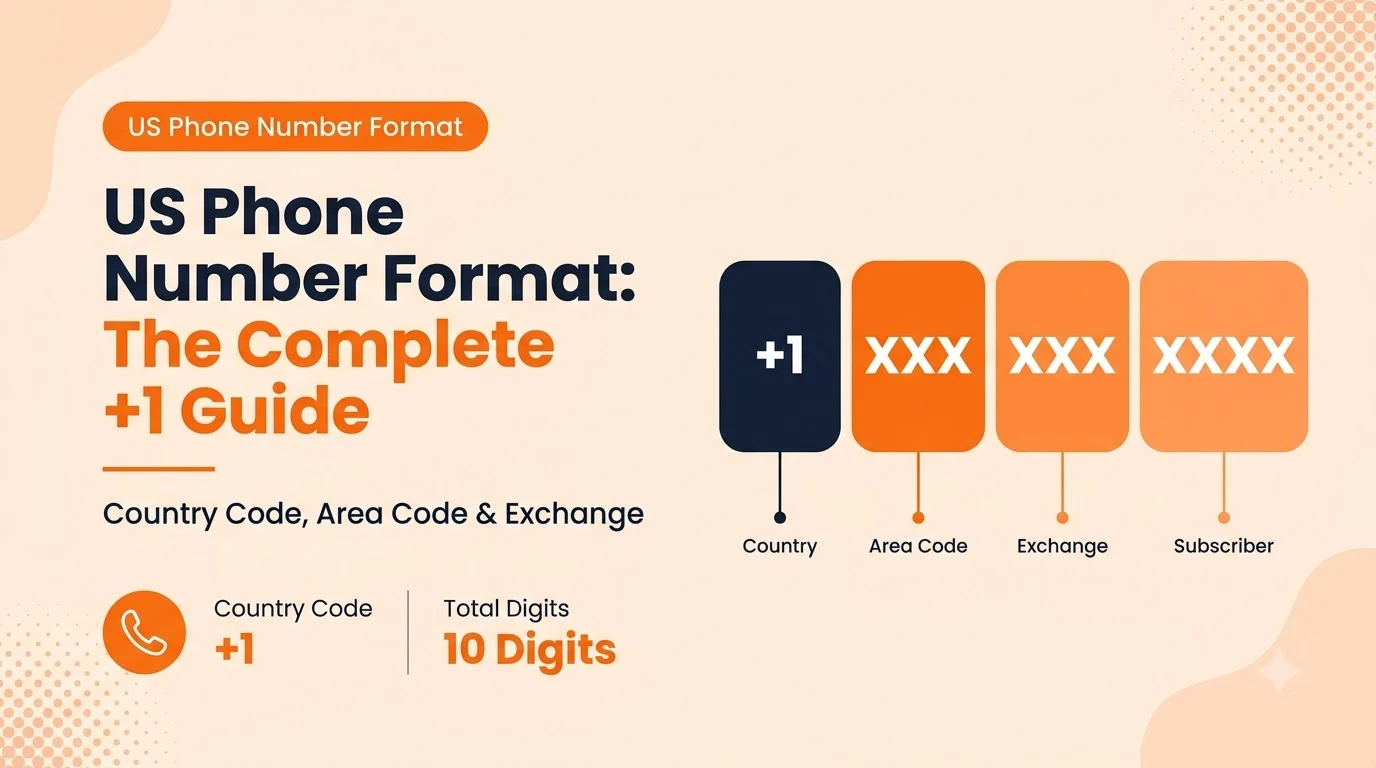
Il formato del numero di telefono americano sembra semplice - dieci cifre, uno schema familiare del film 555 - finché non sei tu a chiamare a livello internazionale, a decodificare un prefisso in sovrapposizione o a chiederti perché un numero +1 che qualcuno ti ha inviato non sembra essere affatto americano. Questa guida analizza il prefisso internazionale +1, il prefisso telefonico e le regole di scambio sottostanti, oltre alle stranezze che fanno inciampare anche le persone che hanno composto numeri statunitensi per tutta la vita. Alla fine, sarai in grado di leggere e comporre correttamente qualsiasi numero in formato USA al primo tentativo.
Punti chiave
- Il formato del numero di telefono statunitense è sempre composto da 10 cifre dopo il prefisso internazionale +1: un prefisso di 3 cifre, un codice di cambio di 3 cifre e un numero di abbonato di 4 cifre.
- L'"1" non è un prefisso di tronco come lo zero iniziale altrove: è il codice paese condiviso per l'intero piano di numerazione nordamericano.
- Non è garantito che un numero +1 sia americano: il Canada e 19 nazioni e territori dei Caraibi condividono esattamente lo stesso piano di numerazione.
- I numeri verdi (800, 833, 844, 855, 866, 877, 888) funzionano tutti in modo identico e non sono legati ad alcuna città o stato.
Comprendere il formato del numero di telefono statunitense
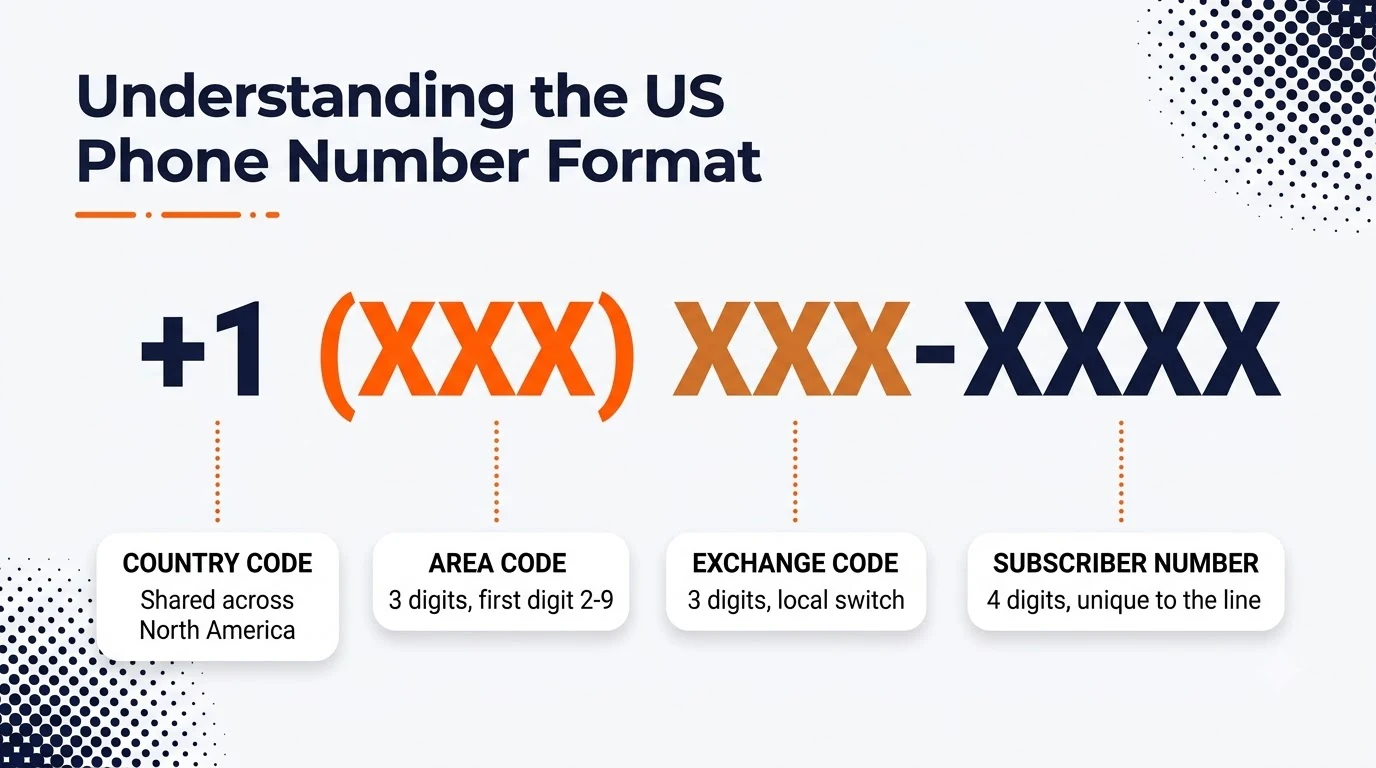
Ogni formato di numero di telefono statunitense è suddiviso negli stessi quattro pezzi: il prefisso internazionale +1, un prefisso di 3 cifre, un codice di cambio di 3 cifre e un numero di abbonato di 4 cifre: dieci cifre in totale dopo il prefisso internazionale, scritte come (XXX) XXX-XXXX o XXX-XXX-XXXX. A differenza di molti paesi, non esiste uno zero iniziale da eliminare o aggiungere; le cifre stesse non cambiano mai se stai chiamando dall'altra parte della strada o dall'altra parte del paese.
Ciò che cambia è semplicemente quante di quelle cifre devi effettivamente comporre, che dipende da dove stai chiamando, un dettaglio che causa più errori di composizione rispetto al formato stesso.
Il prefisso e le regole di scambio che contano davvero
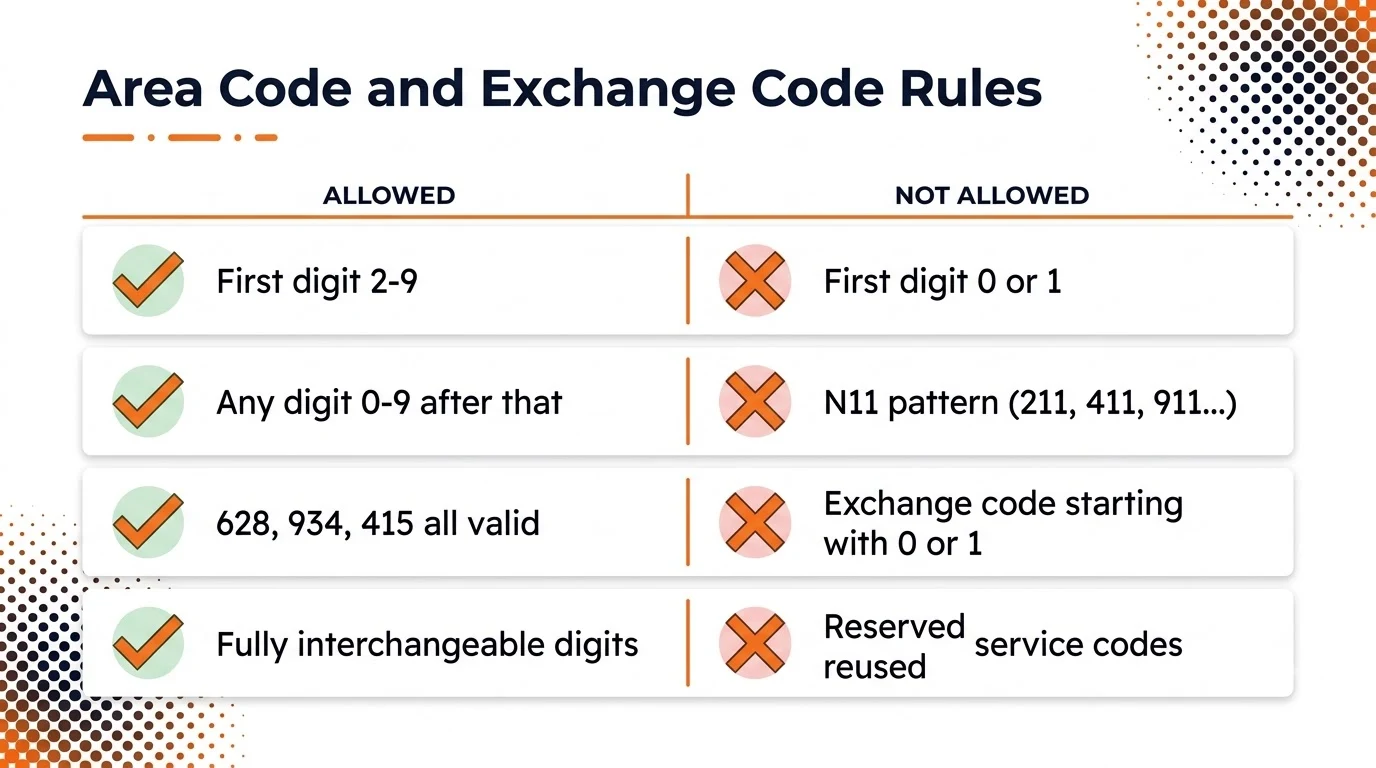
I prefissi seguono una regola di cifra, non un elenco
La prima cifra di un prefisso statunitense deve essere compresa tra 2 e 9, mai 0 o 1, poiché sono riservati ai codici di accesso internazionali e a lunga distanza. Fino al 1995, anche la seconda cifra doveva essere 0 o 1, motivo per cui i prefissi più vecchi come 212 e 415 appaiono nettamente diversi da quelli più recenti come 628 o 934. Questa regola è stata allentata una volta che il pool originale di codici ha iniziato a esaurirsi, motivo per cui oggi ogni prefisso viene considerato completamente intercambiabile con le cifre successive: un cambiamento che vale la pena conoscere se sei abituato al Formato del numero di telefono della Tailandia, dove invece la lunghezza del prefisso varia in base alla città.
I codici di scambio hanno le proprie restrizioni
Il codice di scambio - le tre cifre subito dopo il prefisso - segue una regola simile e non può nemmeno iniziare con 0 o 1. Inoltre, non può assumere il formato N11 (211, 411, 611, 711, 811, 911), poiché l'intero modello è riservato a codici di servizio speciali come 911 per le emergenze e 411 per l'assistenza directory.
I numeri verdi non sono legati ad alcuna zona
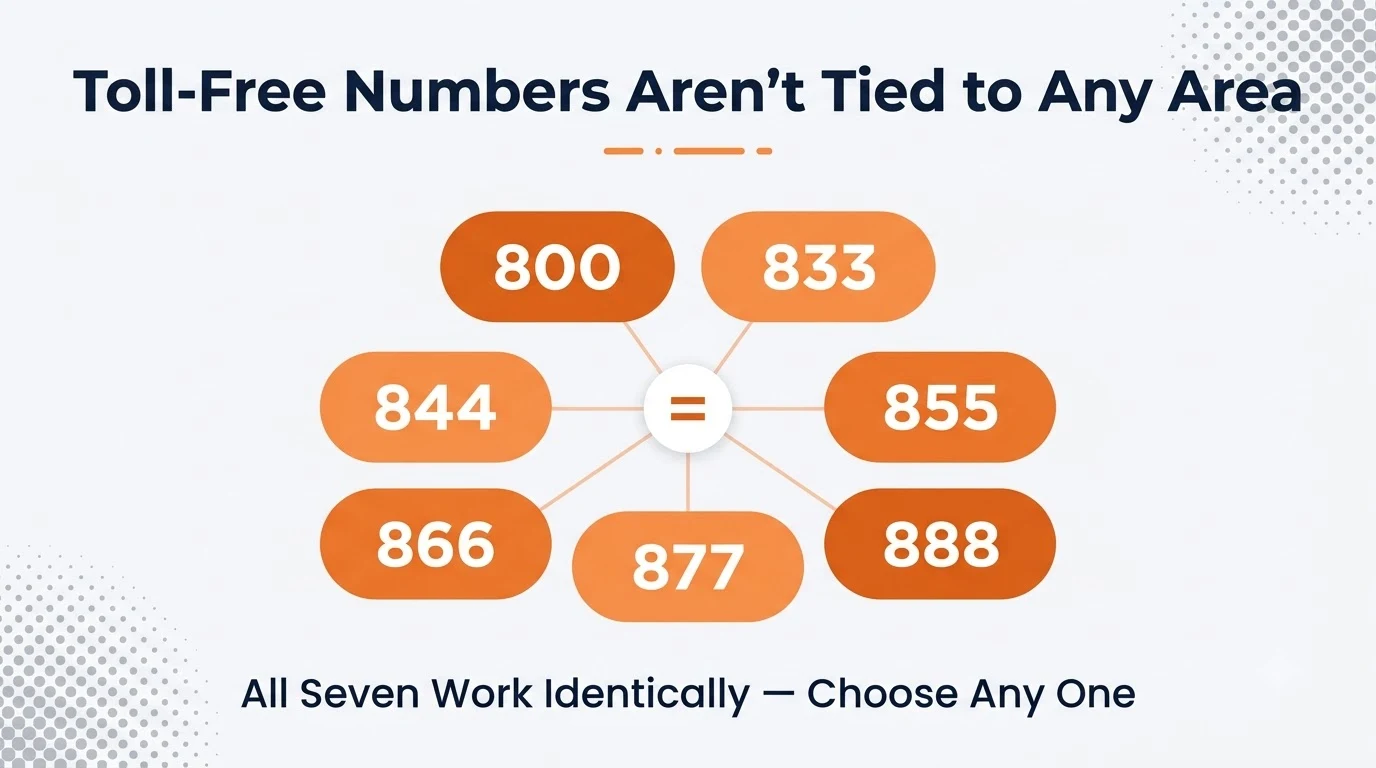
800, 833, 844, 855, 866, 877 e 888 funzionano tutti come un unico numero verde intercambiabile anziché come sette sistemi separati: un'azienda ne sceglie uno in base alla disponibilità o all'idoneità del marchio, non perché un prefisso funzioni in modo diverso da un altro. Nessuno di essi è legato a una città, stato o regione, il che è esattamente ciò che rende un numero verde la scelta standard per un'azienda che desidera che un numero rappresenti il numero di clienti di un intero paese.
I numeri vanity si sovrappongono alle stesse cifre gratuite (o locali), semplicemente mappate su lettere su una tastiera: 1-800-FLOWERS compone le stesse dieci cifre che un cliente raggiungerebbe digitando i numeri corrispondenti.
Leggere un numero che qualcuno ti ha inviato
Un numero +1 che arriva nella tua casella di posta o su un biglietto da visita non è automaticamente americano: il Canada condivide lo stesso formato, così come 19 nazioni e territori dei Caraibi tra cui Giamaica, Bahamas e Porto Rico. Il prefisso è l'unico indizio: 416 è Toronto, 242 sono le Bahamas e 809 è la Repubblica Dominicana, nessuno dei quali si trova negli Stati Uniti nonostante la composizione sia esattamente come farebbe un numero nazionale statunitense. Quando il prefisso non è quello che riconosci, vale la pena controllarlo prima di supporre dove stia effettivamente andando la chiamata.
Come chiamare un numero americano dall'estero
Ogni chiamata internazionale negli Stati Uniti segue la stessa sequenza: il codice di uscita del tuo paese, poi 1 per il piano di numerazione nordamericano, quindi il numero completo di 10 cifre.
- Dal Regno Unito o da gran parte dell'Europa: inizia con 00, quindi 1
- Dall'Australia: inizia con 0011, quindi 1
- Dall'India: inizia con 00, poi 1
- Da qualsiasi telefono cellulare in tutto il mondo: il segno + gestisce automaticamente il codice di uscita, quindi +1 più le 10 cifre funzionano ovunque
Chiamare negli Stati Uniti ha le sue peculiarità
A livello nazionale, l'"1" prima di un prefisso è un segnale di accesso a lunga distanza piuttosto che un requisito rigoroso ovunque: alcune regioni consentono di comporre solo 10 cifre per qualsiasi chiamata, mentre le aree sovrapposte, dove due prefissi servono la stessa regione, richiedono tutte le 10 o 11 cifre anche per una chiamata dall'altra parte della strada, poiché non c'è più modo di sapere a quale prefisso appartiene un numero di 7 cifre.
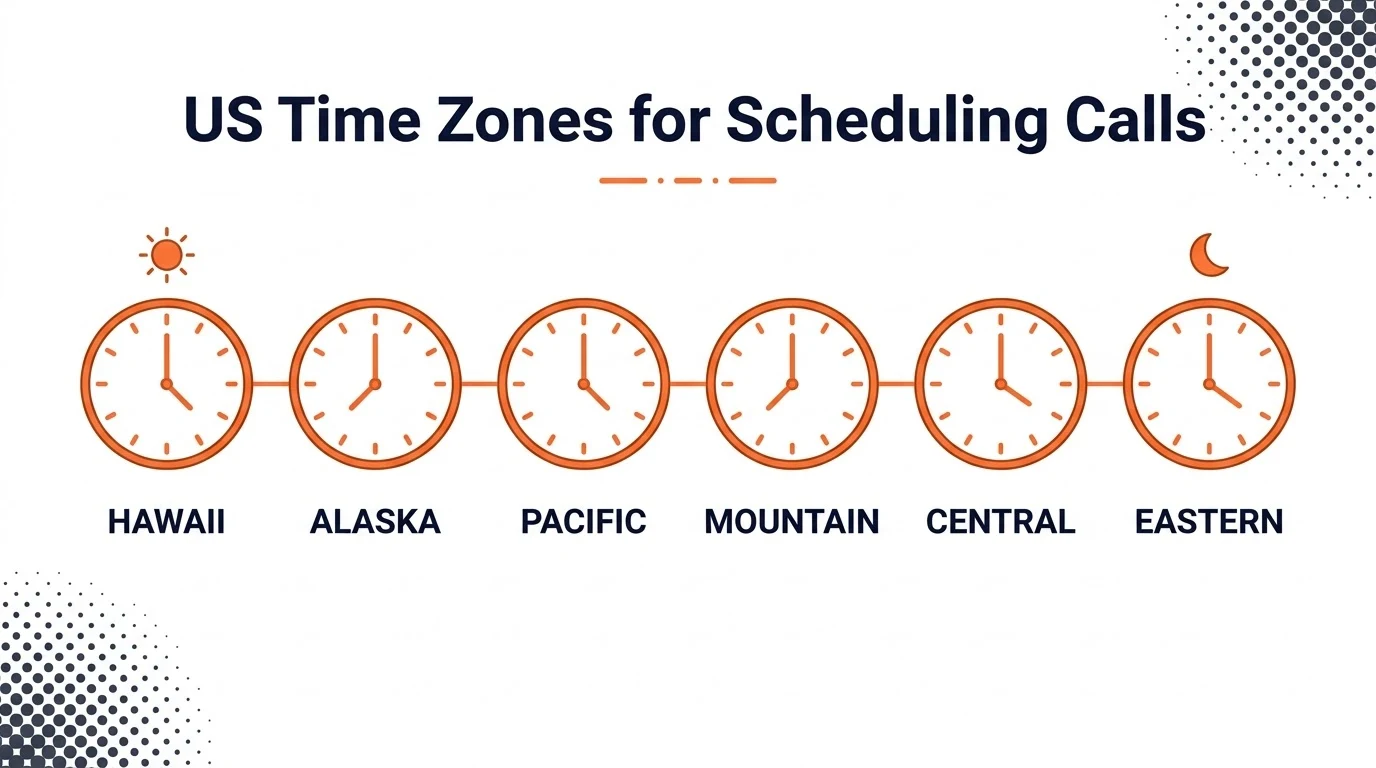
Gli Stati Uniti si estendono su sei fusi orari - Orientale, Centrale, Montagna, Pacifico, Alaska e Hawaii-Aleutine - e tutti tranne l'Arizona (soprattutto) e le Hawaii osservano l'ora legale, quindi il divario tra due città degli Stati Uniti può spostarsi di un'ora due volte l'anno anche quando nessuna delle due è la città da cui stai chiamando.
Errori che interrompono una chiamata a un numero statunitense
- Supponendo che un numero +1 sia americano: il Canada e 19 nazioni caraibiche utilizzano lo stesso formato.
- Passando alla composizione a 7 cifre in un'area di sovrapposizione, dove due prefissi servono la stessa regione e un numero abbreviato non verrà instradato.
- Trattando un numero verde come gratuito quando si chiama al di fuori degli Stati Uniti, la maggior parte degli operatori internazionali fattura ancora quei minuti al chiamante.
- Lettura errata di un codice N11 come un normale centralino: 911, 411 e gli altri sono riservati in modo permanente e mai assegnati a un abbonato.
Le regole di assegnazione complete dietro i prefissi, i codici di scambio e l'intervallo N11 riservato sono documentate nel Piano di numerazione nordamericano, che è lo stesso sistema sottostante condiviso da ogni paese +1.
Conclusione
Il formato del numero di telefono statunitense in sé non cambia mai - dieci cifre, tre parti, nessuno zero iniziale da aggiungere o eliminare - ma ciò che devi effettivamente comporre dipende da dove stai chiamando e se il prefisso che stai componendo si trova in una regione di sovrapposizione.
Mettersi a proprio agio con una manciata di eccezioni (selezione in overlay, codici N11 e il fatto che +1 si estende oltre i soli Stati Uniti) evita i dubbi che causano la maggior parte delle chiamate errate, e letsdial è progettato per gestire automaticamente tale formattazione per qualsiasi azienda che chiama numeri statunitensi a volume.
Domande frequenti
Scritto da Ariano Khan · 5 luglio 2024
Rispondi all'autore