การแนะนำ
การโทรทางธุรกิจที่ไม่ได้รับสายทุกครั้งถือเป็นการเดิมพันเล็กๆ น้อยๆ กับตัวคุณเอง — การเดิมพันว่าผู้ที่โทรมาจะลองอีกครั้งแทนที่จะย้ายไปหาคู่แข่ง การโอนสายเป็นวิธีแก้ไขที่ง่ายที่สุดสำหรับการเดิมพันนั้น และมีให้บริการในเกือบทุกระบบโทรศัพท์มานานหลายทศวรรษ แต่ธุรกิจขนาดเล็กจำนวนมากที่น่าแปลกใจยังคงทำงานบนสายเดียวที่ดังขึ้นเมื่อไม่มีใครอยู่ที่โต๊ะ
เอกสารนี้ครอบคลุมถึงวิธีการทำงานของการโอนสายในเบื้องหลัง ตัวเลือกการกำหนดเส้นทางต่างๆ ที่มีให้เลือก ต้นทุนที่แท้จริงของการข้ามสาย และวิธีตั้งค่าโดยไม่ต้องจ้างที่ปรึกษาด้านไอที นอกจากนี้ยังพิจารณาถึงจุดที่ธุรกิจต่างๆ กำหนดค่าการโอนสายไม่ถูกต้อง และการจับคู่กับหมายเลขเสมือนจะเปลี่ยนแปลงสิ่งที่เป็นไปได้สำหรับทีมที่กระจายตัวอย่างไร
การโอนสายในขณะนั้นเริ่มต้นขึ้นจริง ๆ
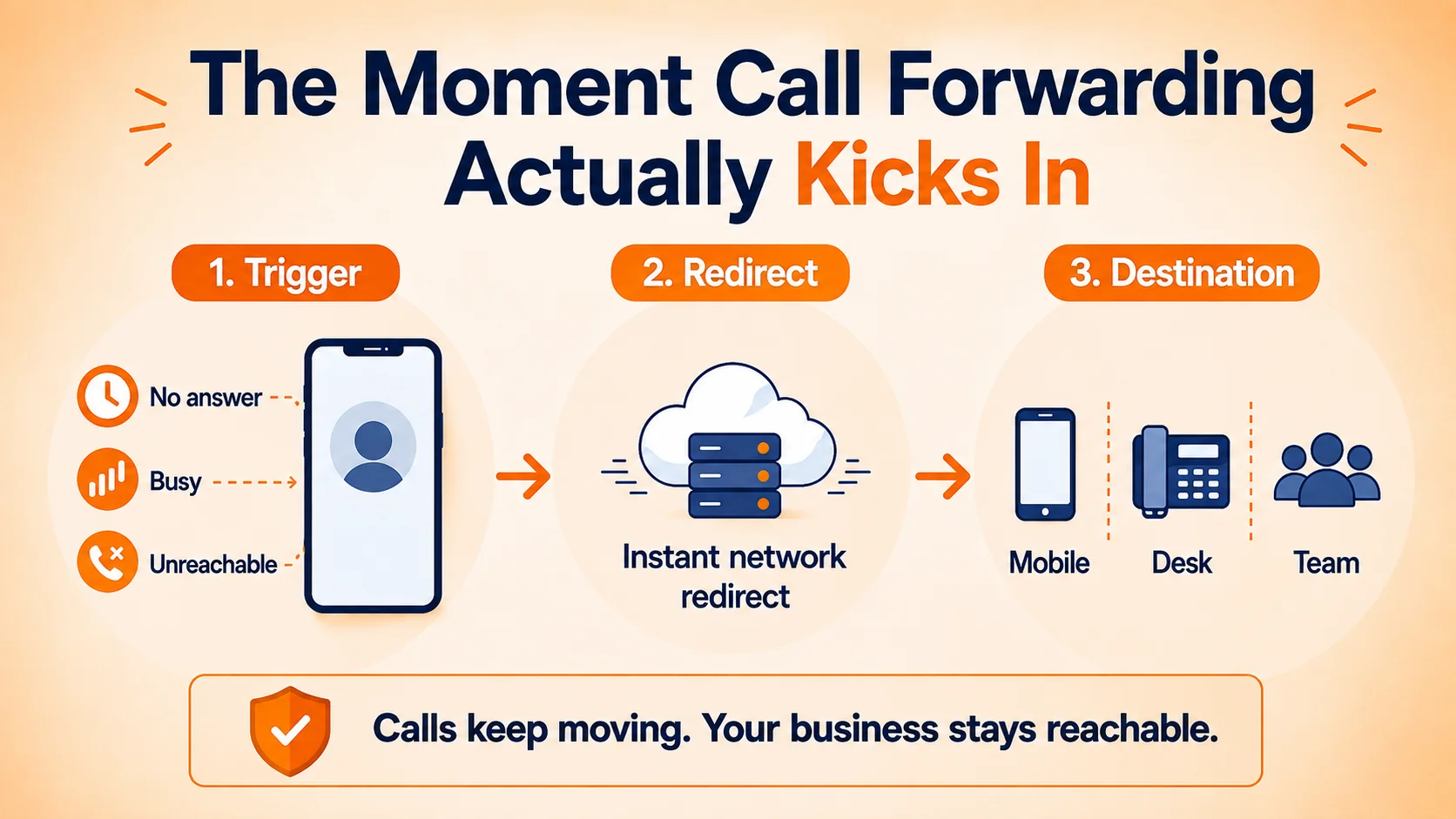
การโอนสายเป็นกฎที่ระบบโทรศัพท์ของคุณจะตรวจสอบทันทีที่มีสายเข้า: หากเป็นไปตามเงื่อนไข — ไม่มีการตอบรับหลังจากเสียงเรียกเข้าตามจำนวนที่กำหนด สายไม่ว่าง หรือไม่สามารถติดต่อหมายเลขได้ สายนั้นจะถูกเปลี่ยนเส้นทางโดยอัตโนมัติไปยังหมายเลขอื่น แทนที่จะไปที่ข้อความเสียงหรือตัดการเชื่อมต่อ ผู้โทรมักจะไม่สังเกตเห็นสิ่งใดเกิดขึ้น สายเพิ่งถูกรับไปจากที่อื่น
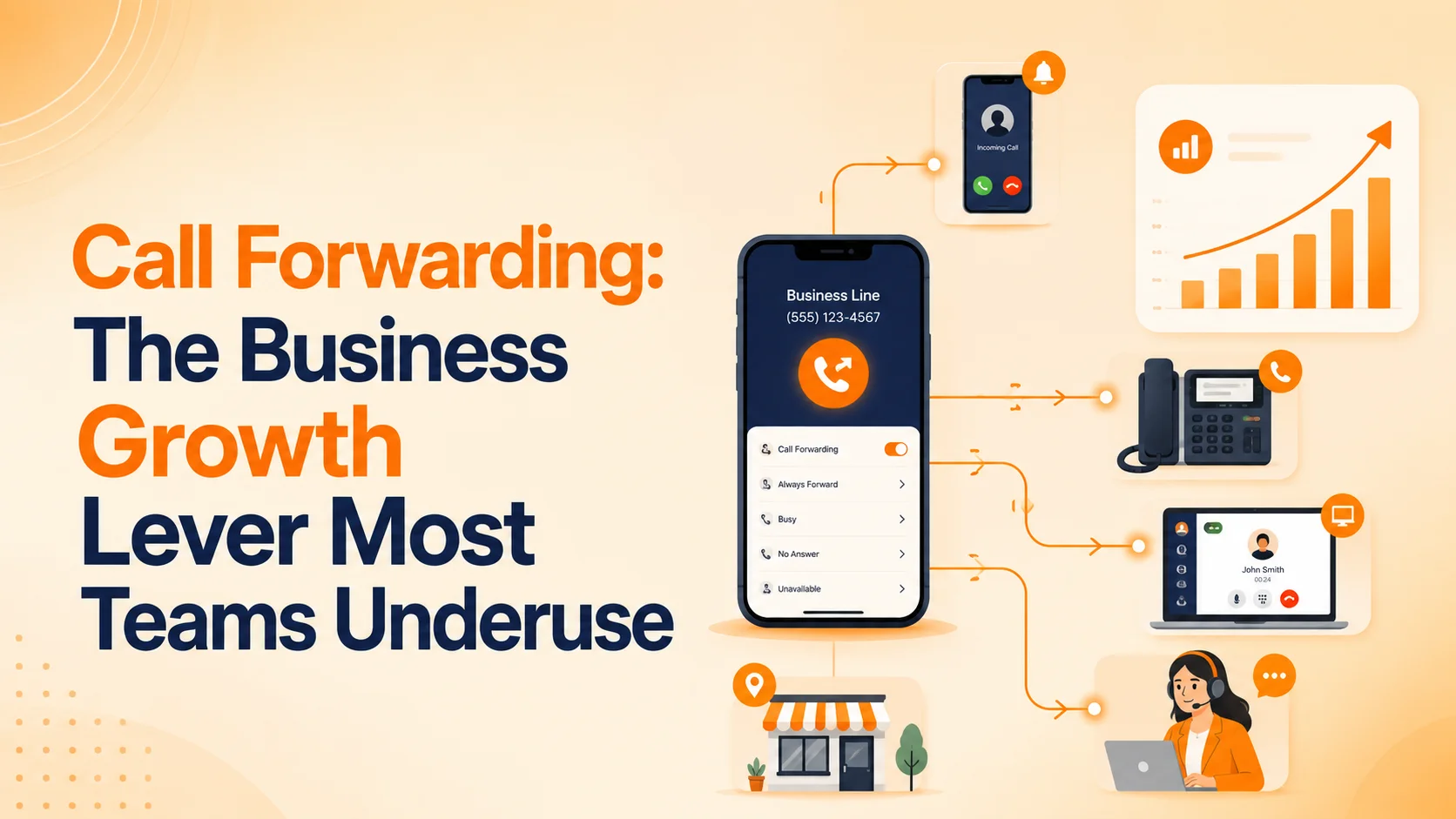
สิ่งที่ทำให้การโอนสายมีประโยชน์สำหรับธุรกิจโดยเฉพาะคือปลายทางการเปลี่ยนเส้นทางไม่จำเป็นต้องเป็นโทรศัพท์ตั้งโต๊ะเครื่องอื่น สามารถโทรหาหมายเลขโทรศัพท์มือถือ สายบ้าน หรือหมายเลขทั้งกลุ่มพร้อมกัน ซึ่งหมายความว่าหมายเลขที่เผยแพร่เพียงหมายเลขเดียวของธุรกิจสามารถเข้าถึงใครก็ตามที่ว่างจริง ๆ ในขณะนั้น ไม่ว่าพวกเขาจะนั่งอยู่ที่ใดก็ตาม
กลไกนี้ได้รับการจัดการในระดับผู้ให้บริการหรือผู้ให้บริการ VoIP ไม่ใช่โดยโทรศัพท์ของผู้โทรหรืออุปกรณ์รับ นั่นเป็นสาเหตุที่การโอนสายทำงานได้อย่างน่าเชื่อถือบนโทรศัพท์บ้านพื้นฐาน แผนบริการมือถือ และระบบโทรศัพท์ธุรกิจบนคลาวด์ — ตรรกะการเปลี่ยนเส้นทางอาศัยอยู่ในเครือข่าย ไม่ใช่ในฮาร์ดแวร์ชิ้นใดชิ้นหนึ่ง
ห้าวิธีในการกำหนดเส้นทางการโทร (และเมื่อแต่ละวิธีพอดี)
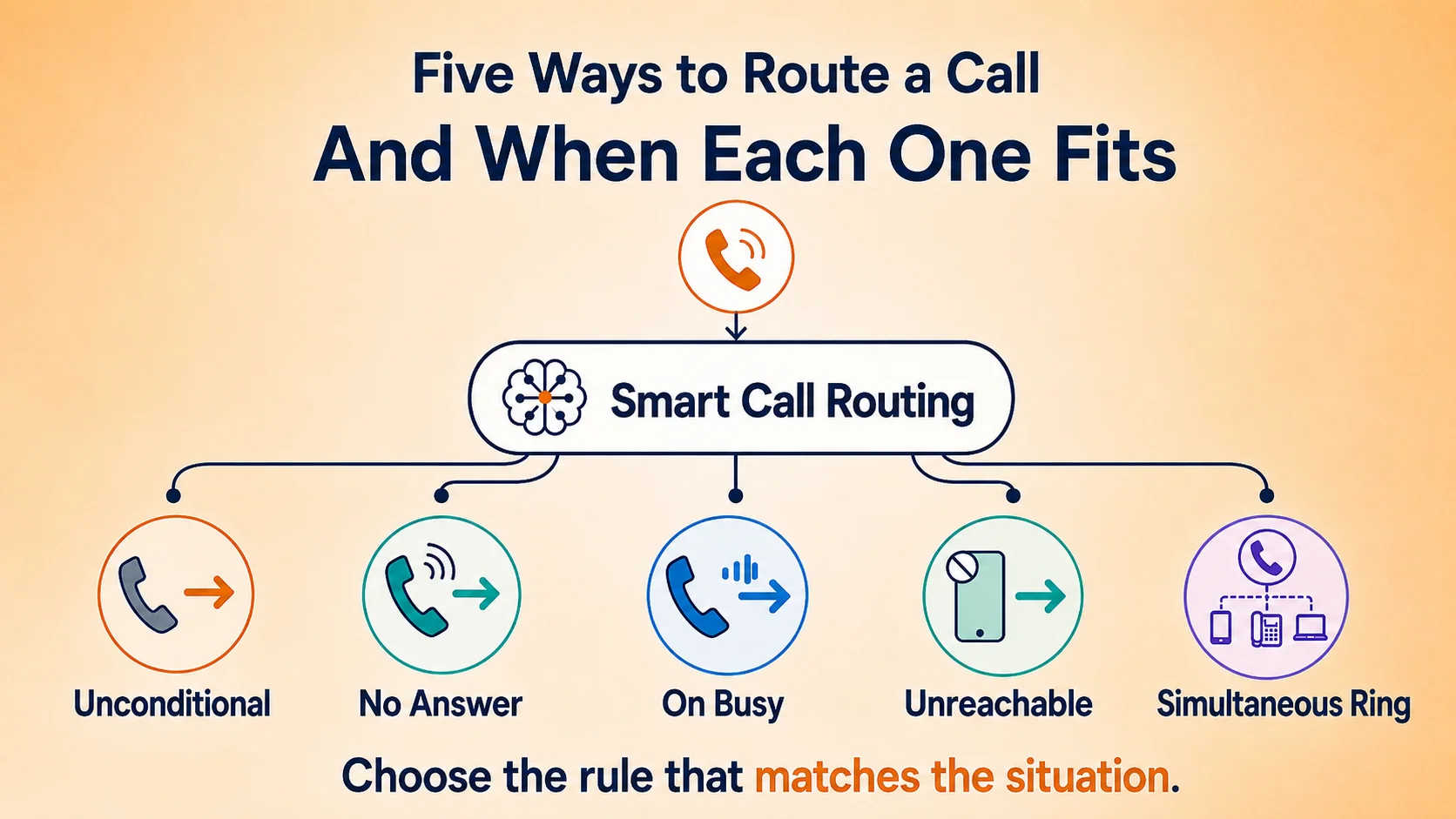
การส่งต่อแบบไม่มีเงื่อนไขจะส่งทุกการโทรไปยังหมายเลขอื่นโดยอัตโนมัติโดยไม่มีข้อยกเว้น ธุรกิจต่างๆ ใช้สิ่งนี้เมื่อสถานที่ปิดชั่วคราวหรือสมาชิกในทีมกำลังทำงานอย่างเต็มที่จากหมายเลขอื่นในวันนั้น
การส่งต่อเมื่อไม่มีคำตอบจะต้องรอตามจำนวนที่กำหนดก่อนที่จะเปลี่ยนเส้นทาง ซึ่งเป็นการตั้งค่ามาตรฐานสำหรับสายแผนกต้อนรับ ให้โอกาสแผนกต้อนรับรับสาย จากนั้นถอยกลับไปใช้หมายเลขโทรศัพท์มือถือหากไม่มีใครรับ
ส่งต่อเมื่อสายไม่ว่างเข้าเฉพาะเมื่อสายถูกครอบครองโดยสายอื่นแล้ว ซึ่งมีประโยชน์สำหรับผู้ปฏิบัติงานเดี่ยวหรือทีมขนาดเล็กที่สายเรียกเข้าสายที่สองต้องการไปที่อื่นแทนสัญญาณไม่ว่าง
การส่งต่อเมื่อไม่สามารถเข้าถึงได้จะเปิดใช้งานโดยเฉพาะเมื่ออุปกรณ์ปิดอยู่หรืออยู่นอกช่วงสัญญาณ ซึ่งสำคัญสำหรับทีมที่ใช้มือถือเป็นอันดับแรกที่ต้องการการโทรเพื่อเฟลโอเวอร์อย่างหมดจด แทนที่จะแค่ไม่มีเสียงเรียกเข้าเลย เสียงเรียกเข้าพร้อมกันแยกจากกันโดยการโทรหลายหมายเลขพร้อมกันแทนที่จะเรียงตามลำดับ ทำให้ใครก็ตามที่รับสายก่อนรับสาย — ตัวเลือกยอดนิยมสำหรับทีมขนาดเล็กที่ต้องการเวลาตอบสนองที่เร็วที่สุดเท่าที่จะเป็นไปได้โดยไม่มีลำดับชั้นที่เข้มงวดว่าใครจะรับสายก่อน
คณิตศาสตร์รายได้เบื้องหลังสายที่ไม่ได้รับ
การโทรทางธุรกิจที่ไม่ได้รับไม่ใช่เหตุการณ์ที่เป็นกลาง แต่เป็นโอกาสในการขาย การจอง หรือคำขอการสนับสนุนที่เพิ่งไปที่อื่น การศึกษาพฤติกรรมของลูกค้าแสดงให้เห็นอย่างสม่ำเสมอว่าผู้โทรจำนวนมากที่เข้าถึงข้อความเสียงหรือสายที่เสียไปแล้วไม่โทรกลับ พวกเขาย้ายไปยังผลลัพธ์ถัดไปในการค้นหาหรือขอคำแนะนำจากผู้อื่นแทน การโอนสายจะปิดช่องว่างนั้นโดยตรงโดยทำให้แน่ใจว่าการโทรที่กำลังดำเนินการอยู่มีที่ที่จะลงจอดนอกเหนือจากข้อความเสียง
ค่าใช้จ่ายในการตั้งค่าการโอนสายใกล้กับศูนย์ในแผนบริการโทรศัพท์ส่วนใหญ่ ซึ่งทำให้การคำนวณไม่สมดุล เปรียบเทียบต้นทุนที่เกือบเป็นศูนย์กับมูลค่าของการขายที่ปิดหรือลูกค้าที่เก็บไว้รายเดียว และจะเห็นได้ชัดว่าเหตุใดการโอนสายจึงแสดงเป็นคำแนะนำพื้นฐานในคู่มือเกือบทุกฉบับเกี่ยวกับการลดสายที่ไม่ได้รับทางธุรกิจ ไม่ใช่แค่คุณลักษณะขั้นสูงที่สงวนไว้สำหรับบริษัทขนาดใหญ่เท่านั้น
นี่เป็นเรื่องจริงโดยเฉพาะอย่างยิ่งสำหรับธุรกิจบริการ เช่น ผู้รับเหมา คลินิก ร้านเสริมสวย ที่ปรึกษา ซึ่งผู้ที่รับสายโทรศัพท์มักจะเป็นผู้ส่งมอบบริการด้วย หากไม่มีการโอนสาย การนัดหมายระหว่างเจ้าของธุรกิจจะไม่สามารถรับสายเรียกเข้าได้ เมื่อใช้สายดังกล่าว จะสามารถเรียกเข้ามือถือ พนักงานต้อนรับ หรือบริการรับสาย แทนที่จะไม่ได้รับสายเลย
ทีมระยะไกล หมายเลขโทรศัพท์เดียว: การส่งต่อเชื่อมโยงกันอย่างไร
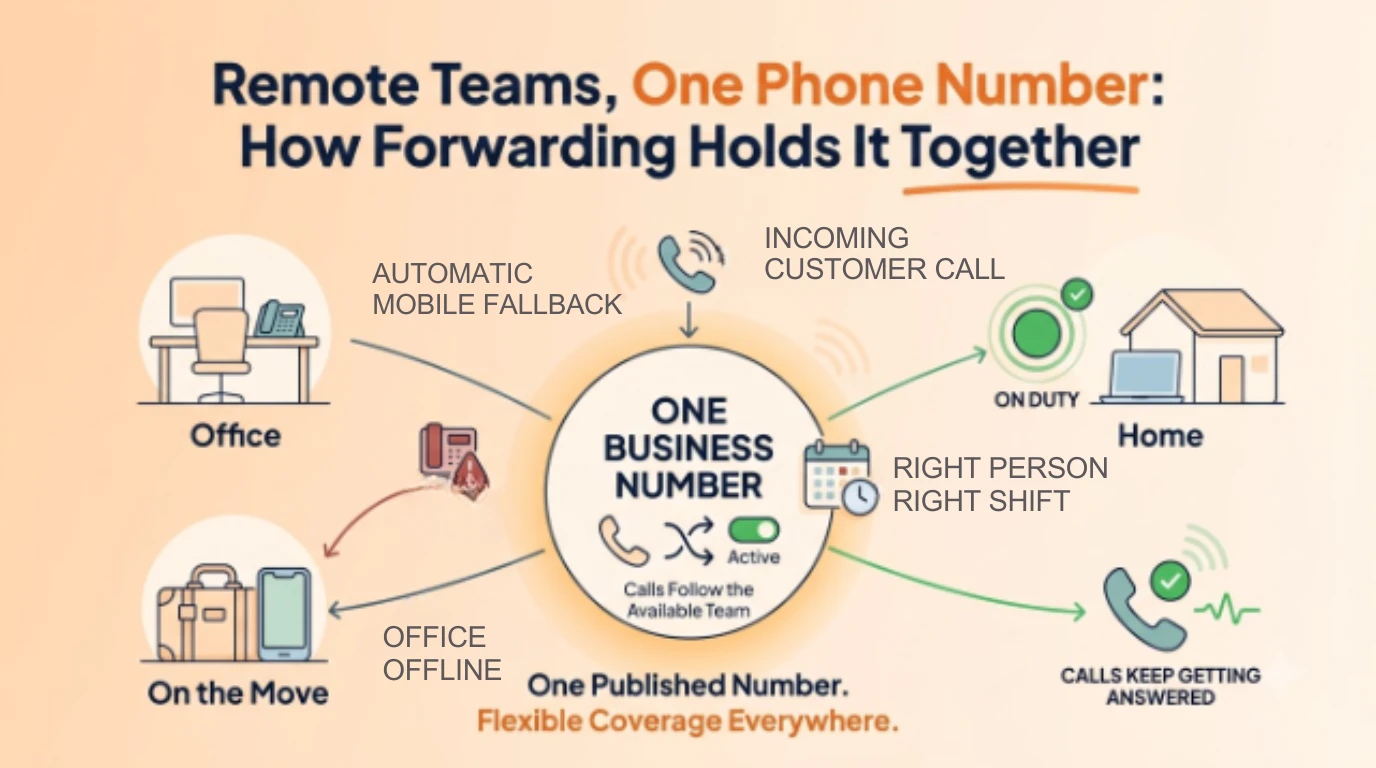
ทีมแบบกระจายและแบบไฮบริดทำให้การโอนสายเป็นไปตามข้อกำหนดเชิงโครงสร้างที่มากขึ้น ธุรกิจสามารถเผยแพร่หมายเลขมืออาชีพหนึ่งหมายเลขและโอนสายเรียกเข้าไปยังสมาชิกในทีมคนใดก็ตามที่ปฏิบัติหน้าที่ในวันนั้น ไม่ว่าพวกเขาจะอยู่ในสำนักงาน ที่บ้าน หรือกำลังเดินทาง ลูกค้าไม่จำเป็นต้องรู้หรือสนใจว่าสายนั้นไปอยู่ที่ใด
การตั้งค่านี้ยังช่วยปกป้องความต่อเนื่องในระหว่างการหยุดชะงักอีกด้วย หากสำนักงานจริงไม่มีไฟฟ้าใช้หรืออินเทอร์เน็ต กฎการโอนสายที่กำหนดค่าอย่างเหมาะสมจะกำหนดเส้นทางสายเรียกเข้าไปยังหมายเลขโทรศัพท์มือถือโดยอัตโนมัติ ดังนั้นธุรกิจจึงรับสายโดยที่ลูกค้าไม่สังเกตเห็นสิ่งผิดปกติในฝ่ายปฏิบัติการ
สำหรับทีมที่หมุนเวียนความครอบคลุม เช่น สายสนับสนุนที่มีเจ้าหน้าที่ต่างกันขึ้นอยู่กับวันหรือกะ การโอนสายที่จับคู่กับกฎการจัดกำหนดการหมายความว่าโทรศัพท์ของบุคคลที่เหมาะสมดังขึ้นในเวลาที่เหมาะสมโดยไม่มีใครอัปเดตการตั้งค่าด้วยตนเองทุกเช้า โดยจะเปลี่ยนหมายเลขที่เผยแพร่เพียงหมายเลขเดียวให้เป็นเลเยอร์การกำหนดเส้นทางที่ยืดหยุ่น แทนที่จะเป็นสายโทรศัพท์พื้นฐานที่ผูกไว้กับโต๊ะตัวเดียว
การตั้งค่าโดยไม่มีแผนกไอที
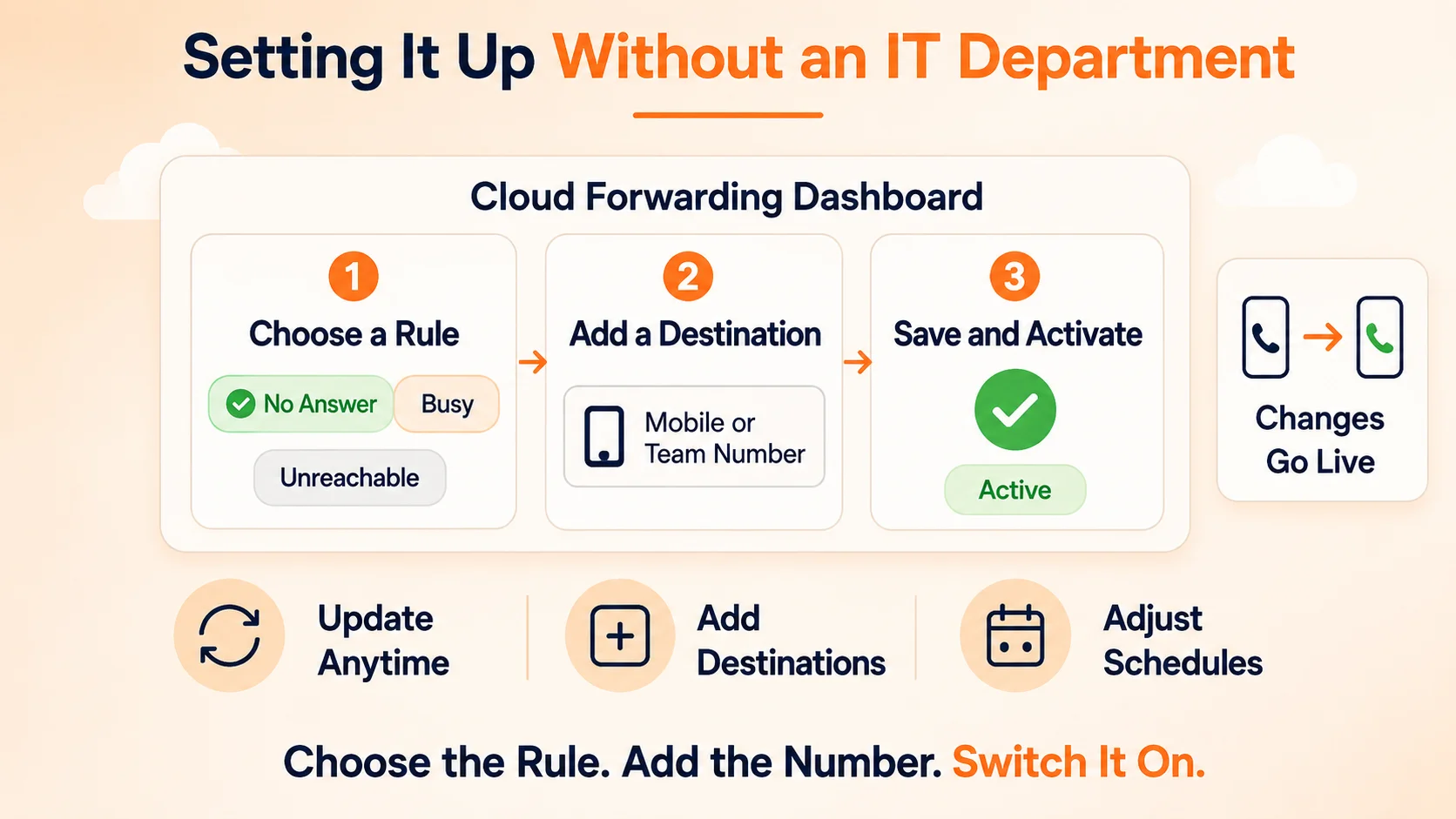
สำหรับโทรศัพท์บ้านหรือมือถือแบบเดิม การโอนสายมักจะเปิดใช้งานผ่านรหัสการโทรสั้น ซึ่งมักจะคล้ายกับลำดับดอกจันและตัวเลขเฉพาะสำหรับผู้ให้บริการของคุณ หรือผ่านการสลับในเมนูการตั้งค่าการโทรแบบเนทีฟของโทรศัพท์ของคุณ วิธีนี้ใช้งานได้แต่จำกัดไว้ที่หมายเลขปลายทางครั้งละหนึ่งหมายเลข และไม่มีตรรกะแบบมีเงื่อนไข (ไม่ว่าง ไม่มีคำตอบ ไม่สามารถเข้าถึงได้) ที่การตั้งค่าธุรกิจโดยทั่วไปต้องการ
VoIP และระบบโทรศัพท์ธุรกิจบนคลาวด์ รวมถึง LetsDial จัดการการโอนสายผ่านแดชบอร์ดแทนรหัสการโทร ซึ่งทำให้การกำหนดค่ากฎหลายข้อ เพิ่มหรือลบหมายเลขปลายทาง และปรับกำหนดเวลาการส่งต่อได้ง่ายขึ้นมากโดยไม่ต้องโทรหาฝ่ายสนับสนุน การตั้งค่าส่วนใหญ่ใช้เวลาไม่กี่นาที: เลือกเงื่อนไขการส่งต่อ ป้อนหมายเลขปลายทางหรือหมายเลข และบันทึก เช็ค LetsDial ครับ การกำหนดราคา เพื่อดูว่าแผนใดบ้างที่มีกฎการส่งต่อตามแดชบอร์ด
ข้อได้เปรียบเชิงปฏิบัติของการตั้งค่าบนแดชบอร์ดคือการเปลี่ยนแปลงจะมีผลทันทีและสามารถปรับเปลี่ยนได้บ่อยเท่าที่ต้องการ การปรับขนาดธุรกิจจากที่หนึ่งเป็นสามแห่ง หรือสมาชิกในทีมเปลี่ยนหมายเลขส่วนตัว ไม่จำเป็นต้องใช้ตั๋วสนับสนุนหรือรอจนกว่าการเปลี่ยนแปลงจะเผยแพร่ ความยืดหยุ่นดังกล่าวเป็นเหตุผลสำคัญที่ธุรกิจต่างๆ จำนวนมากย้ายการโอนสายออกจากระบบผู้ให้บริการแบบเดิมและไปยังแพลตฟอร์ม VoIP โดยสิ้นเชิง
ที่ที่ธุรกิจได้รับการโอนสายผิด
ข้อผิดพลาดที่พบบ่อยที่สุดคือการโอนสายทุกสายไปยังหมายเลขโทรศัพท์มือถือหมายเลขเดียวโดยไม่มีทางเลือก ซึ่งจะย้ายตำแหน่งปัญหาสายที่ไม่ได้รับแทนที่จะแก้ไขปัญหา หากหมายเลขหนึ่งไม่สามารถเข้าถึงได้ สายจะยังคงไม่ได้รับการตอบรับ การแบ่งชั้นในเงื่อนไขการส่งต่อครั้งที่สอง เช่น การสำรองข้อความเสียงหรือสมาชิกในทีมคนที่สอง จะช่วยปิดช่องว่างนั้น
ข้อผิดพลาดประการที่สองคือการลืมอัปเดตกฎการส่งต่อหลังจากเปลี่ยนทีม หมายเลขที่ยังคงส่งต่อไปยังโทรศัพท์ของอดีตพนักงานไม่เพียงแค่พลาดสายเท่านั้น แต่ยังส่งข้อมูลของลูกค้าไปยังบุคคลที่ไม่ได้รับอนุญาตให้รับสายอีกต่อไป การทบทวนกฎการส่งต่อเมื่อใดก็ตามที่พนักงานหรือบทบาทมีการเปลี่ยนแปลง ควรเป็นส่วนหนึ่งของการเลิกจ้าง ไม่ใช่สิ่งที่ต้องคำนึงถึงในภายหลัง
ข้อผิดพลาดประการที่สามคือการส่งต่อสายมากเกินไปในระหว่างชั่วโมงซึ่งไม่ควรมีทางเลือกอื่นเลย เช่น การโอนสายนอกเวลาทำการไปยังโทรศัพท์ส่วนตัวที่จะดังตอนเที่ยงคืน การจับคู่การโอนสายกับการตั้งเวลาตามเวลา — การกำหนดเส้นทางการโทรนอกเวลาทำการไปยังข้อความเสียงหรือบริการตอบรับแทนหมายเลขโทรศัพท์สด — หลีกเลี่ยงการสูญเสียใครก็ตามที่อยู่ฝั่งผู้รับ
การจับคู่การโอนสายกับหมายเลขเสมือน
การโอนสายจะมีประสิทธิภาพมากขึ้นเมื่อแนบกับหมายเลขเสมือนแทนที่จะเป็นสายจริง ด้วย LetsDial ธุรกิจสามารถรับหมายเลขในรหัสพื้นที่ที่รองรับ ตั้งกฎการส่งต่อเฉพาะสำหรับหมายเลขนั้น และเปลี่ยนปลายทางได้ทันที ซึ่งไม่จำเป็นต้องใช้ SIM จริง ติดตั้งสายโทรศัพท์ใหม่ หรือต้องไปพบช่างเทคนิค
การรวมกันนี้มีความสำคัญมากที่สุดสำหรับธุรกิจที่ขยายไปสู่เมืองหรือประเทศใหม่โดยไม่ต้องเปิดสำนักงานที่นั่น หมายเลขเสมือน LetsDial ช่วยให้ผู้โทรในพื้นที่มีรหัสพื้นที่ที่คุ้นเคย ในขณะที่การโอนสายจะกำหนดเส้นทางการโทรไปยังทุกที่ที่สมาชิกในทีมทำงานอยู่อย่างเงียบๆ การตั้งค่าที่มีราคาแพงกว่ามากและช้ากว่ามากในการสร้างโดยใช้โครงสร้างพื้นฐานของผู้ให้บริการแบบเดิมเพียงอย่างเดียว
นอกจากนี้ยังควรจับคู่การโอนสายกับการควบคุมที่เกี่ยวข้องเช่น การระงับการโทร หากคุณกำลังจัดการสายที่ใช้ร่วมกัน การส่งต่อจะตัดสินใจว่าจะไปที่ใด ในขณะที่การห้ามจะตัดสินว่าการโทรบางประเภทจะเชื่อมต่อหรือไม่ และเมื่อรวมกันแล้ว จะทำให้ธุรกิจสามารถควบคุมหมายเลขที่เผยแพร่เพียงหมายเลขเดียวได้มากกว่าคุณสมบัติที่เสนอเพียงอย่างเดียว
บทสรุป
การโอนสายไม่ใช่คุณสมบัติที่คุณตั้งไว้เพียงครั้งเดียวแล้วลืมไปเสีย — มันเป็นส่วนสำคัญในการตัดสินว่าใครรับสายอะไร เมื่อใด และจากที่ไหน รับกฎการกำหนดเส้นทางที่ถูกต้อง อัปเดตกฎอยู่เสมอเมื่อทีมของคุณเปลี่ยนแปลง และจับคู่การโอนสายด้วยการตั้งค่าหมายเลขเสมือนที่ยืดหยุ่น และสายธุรกิจที่เผยแพร่เพียงสายเดียวสามารถครอบคลุมทีมที่กระจายอยู่ในสถานที่จำนวนเท่าใดก็ได้
สำหรับคำแนะนำที่กว้างขึ้นเกี่ยวกับการดำเนินการสื่อสารกับลูกค้าแบบประหยัดและตอบสนอง ฟอร์บส์ เป็นการอ้างอิงเริ่มต้นที่มั่นคง หากต้องการดูว่ากฎการส่งต่อของ LetsDial ทำงานควบคู่ไปกับหมายเลขเฉพาะอย่างไร ให้ตั้งค่าวันนี้และหยุดไม่ให้มีสายเรียกเข้า
คำถามที่พบบ่อย
เขียนโดย อารยันข่าน · 6 สิงหาคม 2569
ตอบผู้เขียน